Last Updated Jun 12, 2026
Predictive modeling of complex chronic disease using more than just a receipt
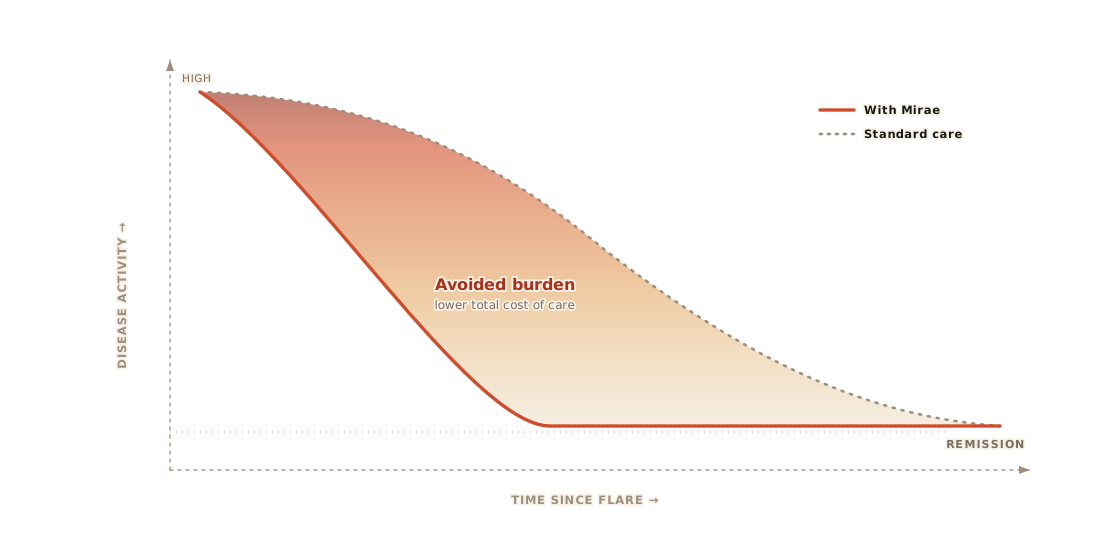
Mirae is building bespoke models of biological cost burden, which we are defining as the impact of disease and symptom 'events' longitudinally. This unprecedented method of measuring the impact of chronic disease is a fundamental shift from existing claims-based approaches used by most risk-bearing systems.
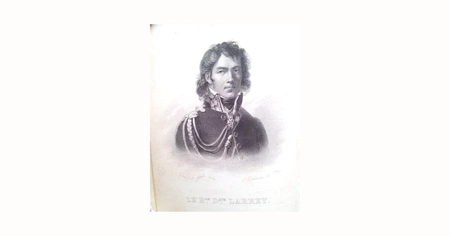
When we started Mirae, we were eager to better understand the systemic issues that patients with chronic inflammatory conditions such as inflammatory bowel disease face regarding access and disease progression. We quickly realized that the way most health systems measure change did not align with our aspiration: to model patients’ symptoms and clinical changes as expressions of their underlying biology. Put simply, we discovered that disease was modeled primarily through cost, using a claims-based approach, one that your humble author started his career doing many (many!) years ago as a medical economics analyst. Lord Kelvin put the principle plainly, or nearly so, since the line that has survived him is a paraphrase: if you cannot measure it, you cannot improve it. Chronic disease has been measured for sixty years, and measured diligently, almost entirely in the currency of payments, with the biology of the disease left for someone else to infer.
For the past several months we have worked with one of the largest integrated health systems in the United States to develop and train models that follow the nuances of chronic disease as it actually unfolds in a patient and that predict cost and disease burden before either one arrives. To explain what those models intend to measure, it helps to start with the instrument they are meant to replace.
The ledger
On 30 July 1965, President Lyndon Johnson signed Medicare and Medicaid into law, and the federal government became a payer for hospital and physician services on a national scale. A payer of that size needs a standard record establishing that a covered service reached an eligible person so the provider can be paid, and that record is the claim. A claim answers four questions: what was done, to whom, by whom, and what is owed. Diagnosis codes and procedure codes are attached to it so the service can be priced and adjudicated, and every expansion of the program since has added more of the same apparatus, from the extension to Americans with disabilities and end-stage renal disease in 1972, to the Part D drug benefit in 2006, to the insurance Marketplace opened by the Affordable Care Act in 2010. Each layer generated more codes, more claims, and more adjudication, until the claim became the most complete description of American medicine we possess. I would highly encourage you to now divert your attention from this article and look up the diagnosis code W61.62XD to validate that we have truly maximized the definition of ‘complete description’ in our usage of a claims taxonomy.
Source: CMS program history.
Disease events and symptom events
A claim records that an infusion was administered on a Tuesday and that a sum is owed for it, and it carries no field for whether the patient felt better, nor any link to the reduction in inflammation measured months later. Disease travels through a body over months and years as a continuous process, and a ledger assembled from discrete payments woefully attempts to track that process from a large and growing distance away.
At Mirae, we took a fundamentally different approach. We represent each patient as two streams of time-ordered events. The first stream holds disease events, the objective measurements a clinician orders and a laboratory or a scope returns: an endoscopic subscore, a histology read, a fecal calprotectin or C-reactive protein value, or an imaging result. These arrive sparsely and on irregular schedules, since nobody scopes a patient every week. The second stream holds symptom events, the experience the patient reports: the stool frequency and rectal bleeding that compose the patient-reported indices, along with urgency, abdominal pain, and fatigue, drawn from clinic notes through language models and from secure messages in the EHR. When deployed, Mirae’s patient app is what will make the second stream much denser: it gathers symptom events at a frequency the clinical record has never held, since a chart logs a handful of symptom snapshots a year between visits while the app collects them continuously from the patient.
The two streams run asynchronously, and the relationship between them is where the modeling gets interesting. A patient can have high disease activity while reporting almost nothing, the quiet inflammation that advances toward stricture and surgery, and another can report severe symptoms while every objective marker reads normal, the functional overlap that attracts escalating and unnecessary biologic therapy. We map the raw inputs onto standardized severity indices, place each patient as a point in a state space whose axes are disease activity and symptom burden, and predict how that point moves through the space over time. The discordance between the two axes, the distance between what the body shows and what the patient feels, becomes a measured quantity the model carries forward rather than averages away.
The surface, over time
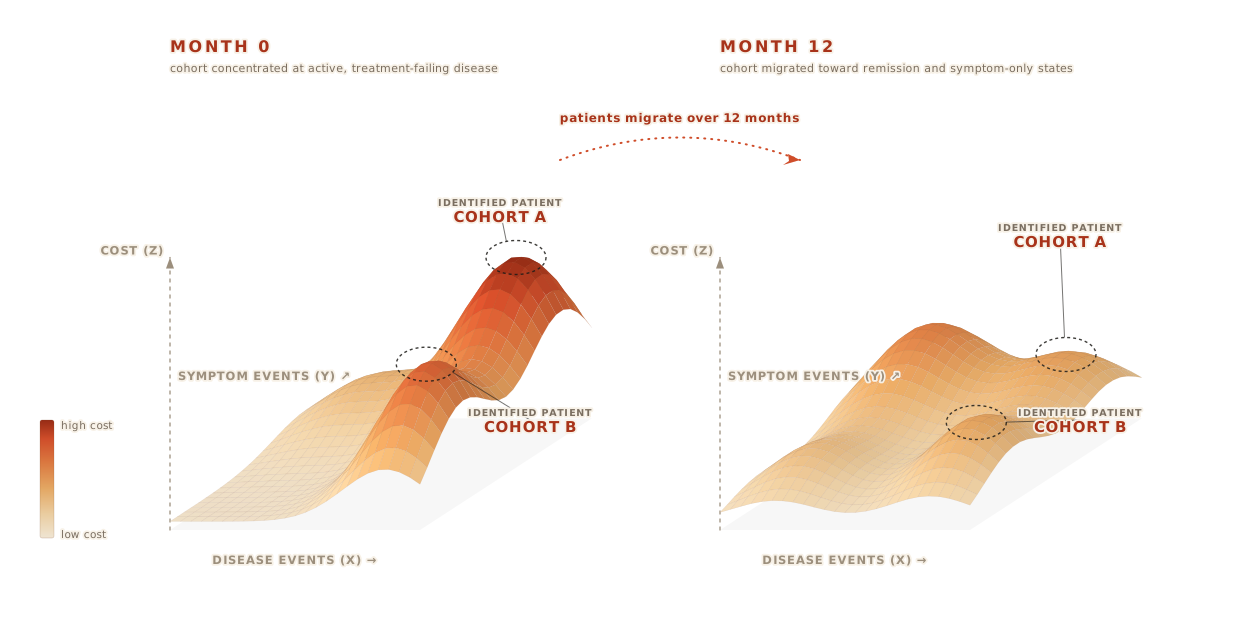
Aggregate those positions across a population and the result is a surface, with disease events along one axis, symptom events along the other, and cost rising as the third dimension. Figure 1 shows the surface at two moments in a single cohort’s history. At month zero the mass concentrates toward the back of the space, where high disease activity and high symptoms coincide in active, treatment-failing disease, with a second peak standing over the patients whose inflammation runs well ahead of their symptoms. Twelve months later the same cohort has redistributed: the tall peak has subsided as patients reached remission, a basin has filled in the low-activity corner, and a new ridge has grown where symptoms persist after the disease itself has quieted. Patients are not stagnant on this surface, rather they migrate across it through the year, and the trajectory of that migration is the object we set out to model.
Illustrative.
The measurable delta
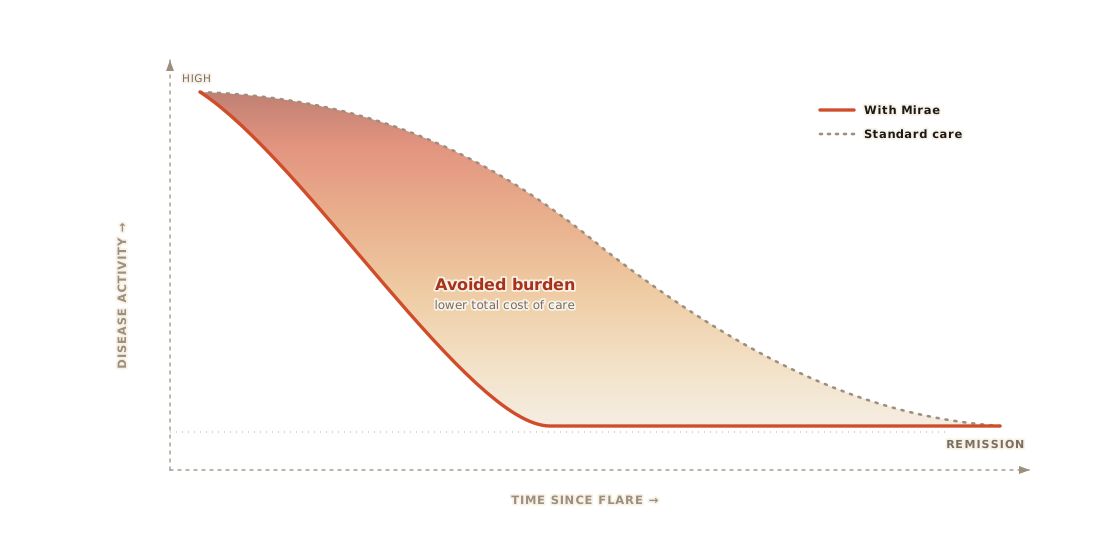
Once a patient occupies a narrow, event-defined position instead of a broad diagnostic label, a quantity becomes available that a claims cohort can never produce: the distance between the path the patient is actually travelling and the path that comparable patients have travelled under well-timed management. A therapy switch that arrived four months late, an escalation that never came, a surgery performed a year after the moment it would have altered the course, each one registers as a measurable gap, and the gaps sum across a population into the shaded region in Figure 2, the burden that a better-sequenced set of decisions would have spared.
Illustrative.
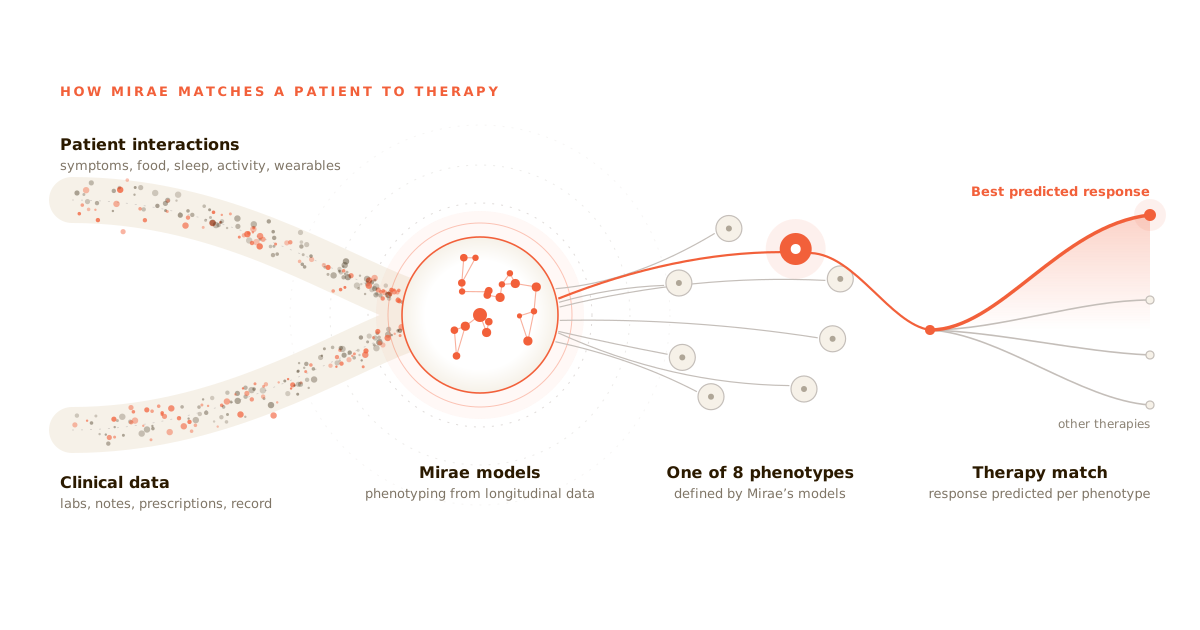
This is the beginning of the work. At scale, gastroenterologists, GI APPs and clinical operations staff will have a real-time view into how patients are mapped across these positions. As we deepen our integration with our health system partner, the same disease modeling will help identify patients for triage and guide medication with far greater precision, and we look forward to sharing more before long.
Clinical advisory board, and a new finding
Mirae formed its Clinical Advisory Board this month, chaired by Professor Simon Travis of Oxford, Professor of Clinical Gastroenterology, and joined by Dr. Alissa Walsh, Consultant Gastroenterologist at the Translational Gastroenterology Unit in Oxford. On 11 June, Travis, Walsh and colleagues at Oxford, Newcastle, and Cambridge published a finding in the New England Journal of Medicine that he described, in the Oxford announcement, as the most exciting of that career:
“The most exciting discovery in a lifetime specialising in IBD.” Prof. Simon Travis, Professor of Clinical Gastroenterology, University of Oxford; chair, Mirae Clinical Advisory Board
The team studied more than 4,900 patients and found that a subset produces autoantibodies against interleukin-10, a protein that ordinarily restrains inflammation, so that once the restraint is removed the inflammation continues without check. That same subset carries a genetic variant, HLA-DRB1*01:03, which Oxford had linked to severe disease three decades earlier without yet knowing why. The finding divides what clinicians have long treated as a single disease into biologically separate conditions, each one calling for treatment directed at its own mechanism.
Source: University of Oxford / New England Journal of Medicine, June 2026.
This discovery underpins Mirae’s belief that many chronic diseases are increasingly understood as collections of narrower, biologically distinct disorders, each with highly specific patient cohorts of symptom and disease activity. These cohorts become opportunities to connect a patient to the specific biology underneath. When Professor Travis, Dr. Walsh and other leading IBD researchers characterize a mechanism such as the interleukin-10 autoantibody and its HLA-DRB1*01:03 signature, we can map our cohorts onto that discovery and ask, of a living population we already track, who belongs to it. As more mechanisms are identified, each one will map to a cohort we can already see, and the same models that measure cost will begin to route patients toward the therapy best suited to their biology.
Medicine spent sixty years turning the claim into a precise instrument for settling payments. At Mirae, we believe the power of precision medicine for chronic disease requires more sophisticated approaches to modeling disease activity than a claims-based approach. We believe a patient’s voice, combined with clinical data, is a powerful key to unlocking the potential of precision medicine.
- Anuj Patel
Read More Posts

Let Mirae guide the way forward
Bring your symptoms, food, medications, lab results, and questions together so you can understand what is changing and prepare for your next care conversation. Mirae is free. There is no paid plan, no trial period, and no card needed to start using the app.